



The Dangers of High Ethanol Fuel in Boats (And Why E15 Is a Risk)
Tue Apr 14 2026 19:03:03 GMT+0000 (Coordinated Universal Time)
Why E15 Fuel Is a Problem for Boats
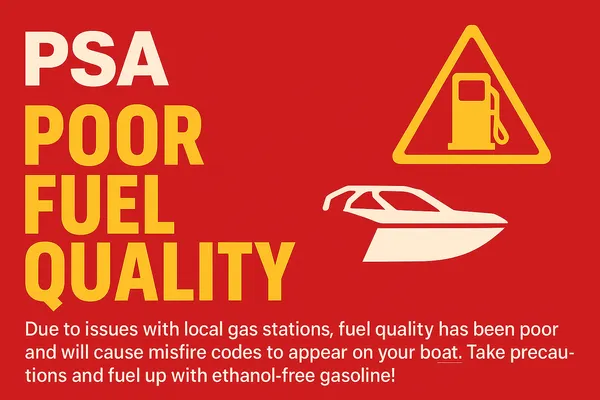
As of 2026, E15 gasoline (15% ethanol) is becoming more widely available—but it is not designed for marine engines.
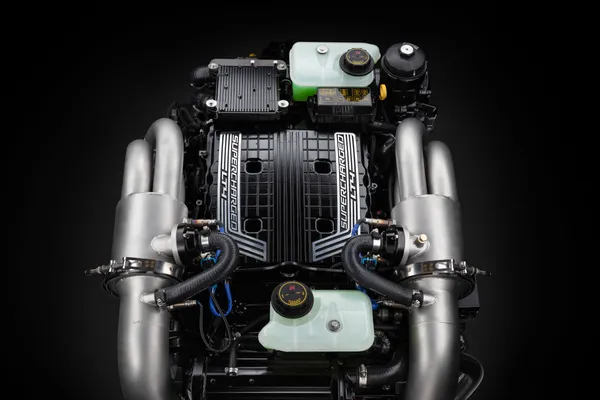
Boat engines are built to run on fuel containing no more than 10% ethanol (E10). Anything higher can lead to serious performance issues and long-term damage.
Bottom line: Fuel with more than 10% ethanol should never be used in your boat.
1. Ethanol Pulls Water Into Your Fuel System
Ethanol attracts moisture from the air—especially in a marine environment.
This can lead to:
- Water contamination in your fuel tank
- Poor engine performance
- Misfires and stalling
Even small amounts of water can affect how your boat runs. Larger amounts can cause serious engine issues.
2. Phase Separation Can Destroy Your Engine
When ethanol absorbs too much water, it separates from the gasoline—a process called phase separation.
This creates:
- A layer of water and ethanol at the bottom of your tank
- Fuel that is no longer usable
Since your engine pulls fuel from the bottom of the tank, this mixture gets pulled in first.
Result:
- Rough running
- Engine misfires
- Potential severe engine damage
Damage from phase-separated fuel is not covered under warranty.
3. High Ethanol Fuel Can Damage Engine Components
Fuel with more than 10% ethanol can:
- Break down fuel system components
- Corrode internal parts
- Reduce engine lifespan
Over time, this leads to:
- Expensive repairs
- Reduced reliability
- Poor overall performance
4. Wrong Fuel = No Warranty Coverage
Using improper fuel can void your engine warranty.
This includes fuel that:
- Contains too much ethanol (over 10%)
- Has excessive water contamination
- Has too low of an octane rating
- Is old or degraded
If engine damage is traced back to fuel quality, repairs may not be covered.
5. Fuel Quality Directly Affects Performance
Poor or incorrect fuel can cause:
- Hard starting
- Rough running
- Loss of power
- Reduced fuel efficiency
If you notice these symptoms, always start by:
Switching to fresh, high-quality fuel from a trusted station
What Fuel Should You Use?
To protect your boat and keep it running at its best:
✔ Use premium fuel (91+ octane recommended)
✔ Stick to E10 or lower ethanol content
✔ Avoid E15, E85, or any high-ethanol blends
✔ Avoid fuel with visible water contamination
✔ Use fresh fuel—don’t let gas sit too long
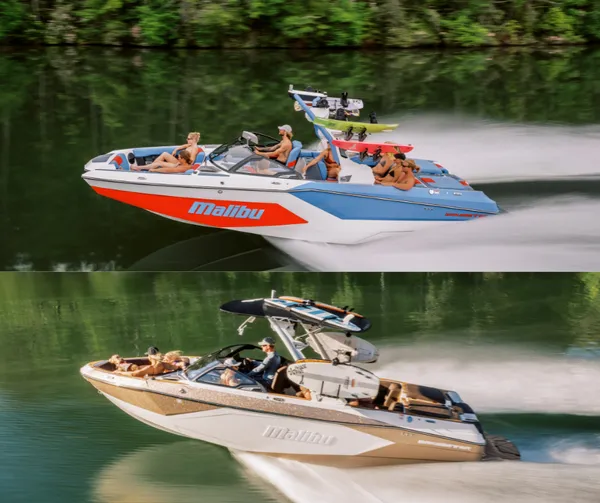
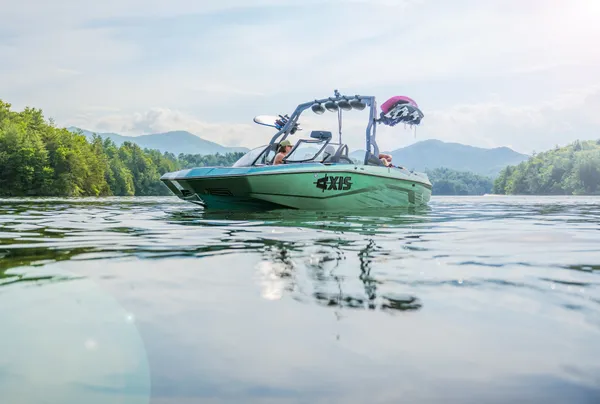
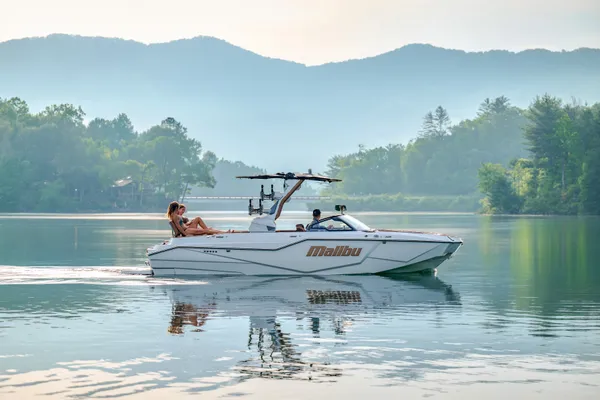
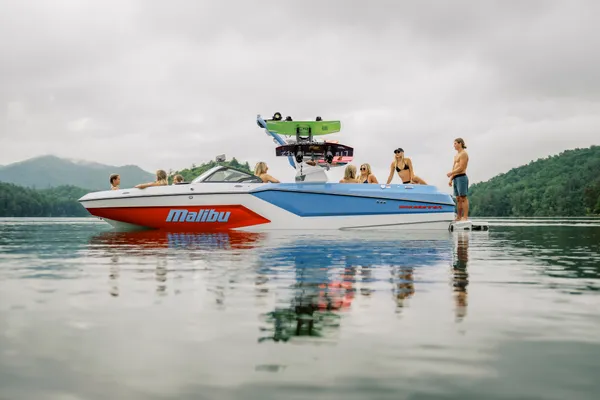
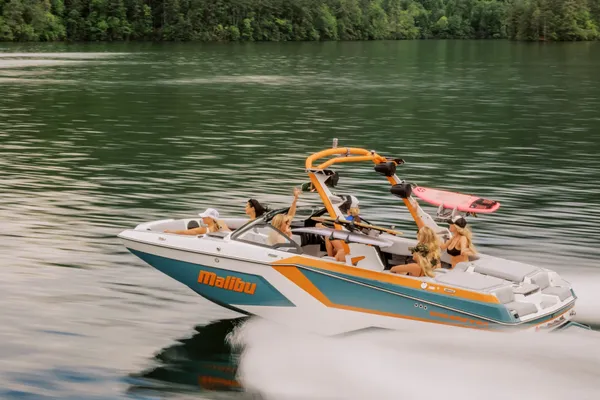
🛥️ Why This Matters for Your Malibu or Axis
Your boat is a high-performance machine built for reliability and top-tier performance.
Using the wrong fuel can:
- Impact your surf wave performance
- Trigger engine issues or warning codes
- Lead to costly downtime and repairs
At Texas Malibu, we always recommend using the correct fuel to protect your investment and maximize your time on the water.
Final Takeaway
Just because E15 is available doesn’t mean it’s safe for your boat.
👉 Stick with premium, low-ethanol fuel (E10 or less)
👉 Avoid shortcuts at the pump
👉 Protect your engine and your time on the water